 +971567887626
 brehabdxb@gmail.com
 605 Pinnacle Building- Sheikh Zayed Road


The rigorous demands of football—whether soccer or American football—require repeated bursts of explosive movement, rapid acceleration and deceleration, and maximum force generation. This intensity inevitably leads to a high frequency of soft tissue injuries, muscle tightness, and restrictive knots that impede performance. Returning to play quickly and safely is paramount for these athletes. Dry Needling (DN) has emerged as a crucial, modern technique utilized by sports medicine specialists to deliver rapid pain alleviation and essential function restoration.
This comprehensive guide is designed to provide football players, coaches, and enthusiasts with simple, evidence-based facts about dry needling. It explores exactly how DN works, its primary applications for common football injuries, and what one should expect from qualified healthcare professionals, such as Doctors of Physical Therapy (DPTs), who administer this specialized treatment. By understanding the science behind this targeted approach, athletes can unlock their body's potential for peak performance and accelerate their return to the field.
Section 1: What Is Dry Needling and Why Does It Matter for Athletes?
Dry Needling Explained Simply: Beyond the Needle
Dry needling is a specialized form of intramuscular therapy that helps alleviate pain and drastically improve mobility. Unlike common associations with needles, the treatment is typically well-tolerated and focuses intensely on local muscular dysfunction.
Targeting the "Knot": Understanding Myofascial Trigger Points (MTrPs)
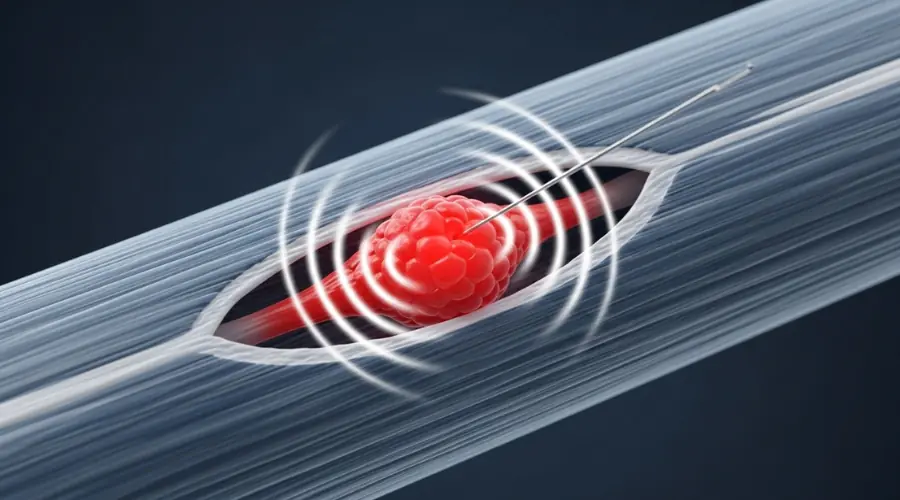
The fundamental target of dry needling is the Myofascial Trigger Point (MTrP). An MTrP is clinically defined as a discrete, hyperirritable nodule that resides within a taut band of skeletal muscle. These nodules, often called "muscle knots," are painful upon compression and possess the unique characteristic of giving rise to referred pain, motor dysfunction, and even other systemic symptoms.
For an athlete, these knots are notorious pain generators that restrict movement and hinder proper muscle function. Dry needling physical therapists use thin, solid needles (filiform needles) to stimulate these underlying trigger points, muscular tissue, and surrounding connective tissues. The goal is to gently deactivate the knot, promoting muscle relaxation and proper function. The process is often simplified by thinking of it as "resetting a knot in a tangled string".
The "Dry" Difference: Modern Western Medicine vs. Acupuncture
A common point of confusion is the difference between dry needling and acupuncture, since both utilize the same types of thin needles. However, the core principles, origins, and focus of the two therapies are distinct. The term 'dry needling' is used specifically because no medication or injection is delivered during the procedure.
While acupuncture is rooted in Traditional Chinese Medicine (TCM) and focuses on energy fields (meridians) and systemic balance, dry needling is fundamentally a component of modern Western medicine. It is highly localized, targeting a specific area of pain or functional impairment identified through contemporary musculoskeletal assessment and physical palpation. This focus on the specific anatomical and physiological cause of pain, particularly the myofascial trigger point, firmly places DN within the regulatory framework of physical therapy as a specialized intervention for neuromusculoskeletal pain management.
Section 2: The Science of Athletic Recovery: How Dry Needling Works
Resetting the Muscle: The Mechanism of Pain Relief and Function
Dry needling’s effectiveness stems from its multi-faceted approach to influencing the body’s healing and neurological systems.
The Neuromuscular Reset
When a trained practitioner inserts the needle into an active trigger point, it often elicits a palpable localized twitch response—a small, rapid contraction followed by an immediate relaxation of the muscle. This response is clinically significant as it signifies that the muscle is releasing tension and beginning to "reset". Physiologically, dry needling is believed to disrupt the feedback loop between the muscle and the nervous system, which previously kept the muscle locked in a state of tightness. This neuromuscular reset immediately reduces pain and helps to restore normal motor pattern coordination and full Range of Motion (ROM). By addressing this neuromuscular dysfunction, the procedure helps to loosen tight spots and minimizes protective muscle guarding that often limits rehabilitation progress.
Accelerating Physical Healing
Beyond the immediate neurological effects, dry needling actively supports the physical healing process. The insertion of the needle promotes a localized increase in blood flow to the affected area. This increased circulation is critical for rapid athletic recovery because it delivers essential oxygen and nutrients to the site while simultaneously facilitating the removal of metabolic waste and inflammatory byproducts. For injured athletes, enhancing blood flow and reducing inflammation translates directly into a faster healing timeline, allowing them to return to training and competition sooner.
Furthermore, the procedure stimulates the nervous system and the body's natural pain-modulating mechanisms. This stimulation can trigger chemical changes, including the release of endorphins—the body's natural pain relievers. This analgesic effect, often referred to as the "needle effect," has been recognized since the late 1970s as a powerful tool for immediate relief when a needle is inserted into a painful spot. The cumulative result is improved muscle function, enhanced flexibility, and greater pain tolerance—all crucial for achieving optimal athletic movement.
Section 3: Game-Day Ready: Dry Needling Applications for Football Injuries
High-Risk Areas: Treating Common Injuries in Soccer and American Football
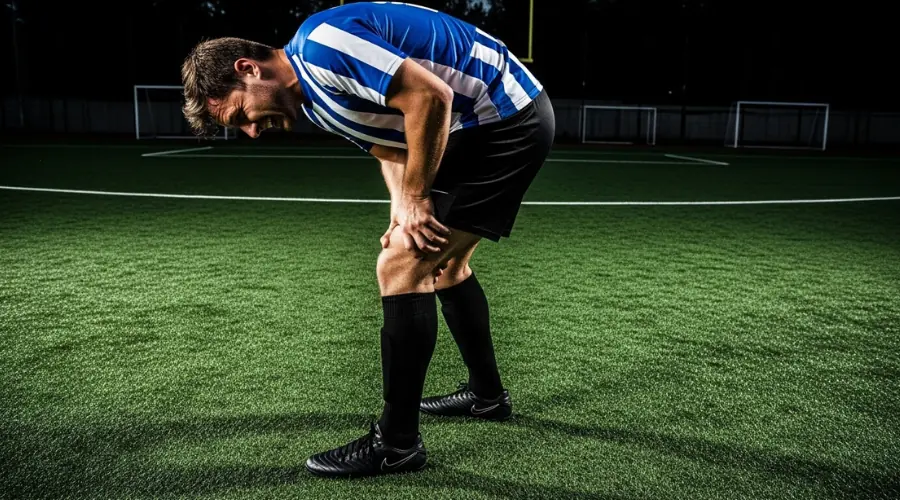
Football players are inherently vulnerable to lower-limb injuries due to the intense demands of sprinting, cutting, and jumping. The majority of dry needling investigations concerning athletes focus on the lower limbs, highlighting the prevalence of these issues in sports.
Overcoming Hamstring Strains (The Athlete’s Nightmare)
Hamstring strains are a hallmark soft tissue injury in high-velocity sports, frequently resulting in a recovery period lasting weeks or months. The hamstrings are susceptible because of explosive sprinting, sudden acceleration and deceleration, and the presence of underlying compensatory pelvic dysfunction.
For this specific injury, dry needling is invaluable because it allows the therapist to directly address the deep muscular dysfunction that other treatments often miss. DN works to release the hypertonic trigger points that lock the muscle down, reduce protective muscle guarding, and support the restoration of crucial motor pattern coordination. This targeted release is essential for achieving full Range of Motion recovery and reducing the likelihood of long-term compensation patterns that often lead to re-injury.
Addressing Groin Pain and Adductor Strains (Crucial for Kicking)
Groin injuries are highly prevalent in football and soccer, with adductor strains accounting for almost 68% of these issues. These strains are often aggravated by kicking and rapid functional activities. Clinical data supports the application of dry needling in these cases. For instance, dry needling successfully reduced severe pain and improved functional outcomes in national-level football players diagnosed with adductor strain.
A key understanding in sports rehabilitation is that dry needling rarely stands alone; it acts as a catalyst. In successful clinical protocols, dry needling reduced the pain barrier, thereby enabling the patient to immediately progress to aggressive, criterion-based rehabilitation. The true effectiveness of DN here lies in its ability to quickly manage pain, allowing the integration of critical eccentric strengthening of the adductors and core stability work necessary to improve lower limb strength and functional activity. Without the pain reduction provided by DN, athletes often cannot tolerate the essential high-load, eccentric training required for robust healing and future injury prevention.
Targeting Chronic Pain and Related Conditions
Beyond acute strains, DN is highly effective for chronic issues that plague athletes. It significantly reduces pain and enhances function associated with chronic low back pain caused by myofascial trigger points. When dry needling is combined with traditional physical therapy or spinal manipulation, patients with chronic low back pain report a significant reduction in pain intensity and disability scores. Furthermore, dry needling is used to address other common athletic conditions, including tendonitis (such as Achilles pain or Jumper’s knee) and stiffness stemming from calf tightness or sciatica.
Section 4: The Performance Question: Separating Fact from Hype
Does Dry Needling Actually Boost Athletic Performance?
While dry needling is unquestionably powerful for pain relief, its claims regarding direct performance enhancement must be examined with clinical rigor.
Nuance in the Research: Pain vs. Performance
Systematic reviews analyzing hundreds of athletes—including highly trained national-level competitors across various sports—confirm that dry needling is generally effective and safe for reducing pain perception and easing muscle stiffness in a wide range of body regions. Clinical outcomes often reveal that DN is more effective than sham treatments or no treatment at all for pain reduction.
However, expert analysis of the available literature introduces an important caveat: dry needling, when used in isolation, may not offer significant advantages for directly improving long-term functional performance metrics like maximal endurance, sustained strength, or sprint speed. The benefits, particularly the analgesic effects, are often observed in the short-term. This distinction is critical for setting realistic expectations for athletes.
Analyzing Immediate Functional Gains
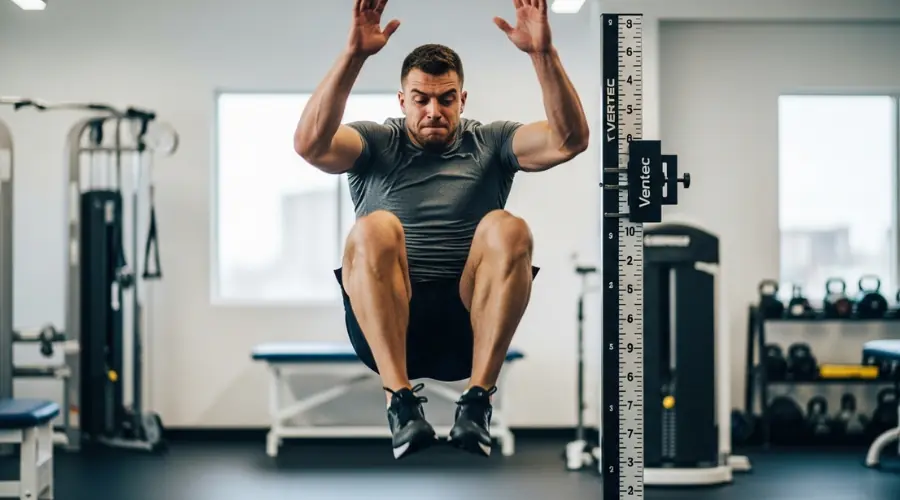
While long-term performance improvements rely on consistent training, some experimental studies demonstrate immediate, short-term functional gains. For example, a single session of dry needling applied to latent trigger points (MTrPs that are not actively painful, but restrict function) in muscles like the gastrocnemius or thigh has been shown to produce an immediate, significant increase in vertical jump height—sometimes by over 1 inch—compared to a sham treatment.
These immediate results are compelling because they suggest that DN rapidly addresses underlying biomechanical restrictions (muscle tightness or knots) that were subtly limiting motor firing and movement quality, even in asymptomatic young adults. This rapid disruption of physical limitations allows the muscle to fire more efficiently, leading to immediate measurable functional improvement.
Conclusion on Performance: The Barrier Remover Principle
The evidence positions dry needling not as a performance enhancer, but as a critical barrier remover. Dry needling ensures the muscle can function properly by eliminating the physical and neurological restraints caused by pain, stiffness, and restricted range of motion.
Ultimately, the most successful athlete outcomes occur when dry needling is integrated into a holistic care plan. DN fixes the structural or neurological deficit, and the resulting pain reduction and mobility gain allow the athlete to engage fully in the necessary strength training, functional movement patterns, and exercise prescription that drive long-term athletic success.
Section 5: Your Dry Needling Journey: What to Expect
Preparation, Session Details, and Aftercare Protocol
A successful dry needling experience begins with a thorough assessment by a knowledgeable practitioner.
Initial Consultation and Assessment
To qualify for dry needling, an athlete first undergoes a detailed evaluation to confirm the therapy will be beneficial. The sports physical therapist will analyze the patient’s short- and long-term athletic goals, identify current injuries or impairments, determine the likely cause of dysfunction, and review any previous treatments that proved successful. The practitioner utilizes adept palpation skills to accurately identify and isolate the specific myofascial trigger point before inserting the needle.
During the Dry Needling Session
Upon needle insertion, athletes may perceive a slight prick or discomfort, which quickly transitions into an intense sensation of pressure. When the needle engages the MTrP, the localized twitch response may occur. Importantly, the overall insertion should not be painful. Needles are typically left in place for only a few minutes, and the total session usually lasts between 15 to 30 minutes, depending on the area being treated and the number of trigger points addressed.
The frequency and total number of sessions are highly individualized. For acute conditions, patients may initially benefit from 1 to 2 sessions per week, with sessions spaced at least 24 to 48 hours apart to ensure adequate muscle recovery. Rapid improvement is common within the first 2 to 3 sessions for recent injuries. Chronic conditions often begin with weekly sessions before transitioning to maintenance care as symptoms normalize. Due to the identified necessity for individualized dosage requirements in the current research literature, a skilled practitioner adjusts treatment frequency based entirely on the patient's individual response and sustained progress.
Optimizing Recovery: Post-Treatment Aftercare
Immediate relief following a session is common, but temporary soreness or minor discomfort is also standard. This mild, localized discomfort typically subsides within 1 or 2 days and should not persist beyond 12 hours.
To maximize therapeutic outcomes and support the body's natural healing mechanisms, specific aftercare instructions are provided:

-
Hydration is Essential: Athletes are strongly advised to increase their water intake following a session, aiming for at least 8 to 10 glasses (64 to 80 ounces) throughout the day. Proper hydration helps the body efficiently flush out the metabolic waste products released during the treatment, optimizing healing and minimizing post-needling soreness.
-
Avoid Heat: It is critical to avoid applying mild to moderate heat to the treated area. The needling process causes localized microtrauma, and applying heat can increase blood flow, potentially exacerbating inflammation and intensifying soreness. Cold therapy, such as ice packs, is the recommended alternative to reduce inflammation.
-
Gentle Activity: Engaging in light, gentle activity and strictly following the specific post-treatment exercises provided by the therapist aids the healing process.
Section 6: Safety and Qualifications: Choosing the Right Practitioner
The Standard of Care: Safety, Risks, and Practitioner Qualifications (Crucial for Trust)
Since dry needling is an invasive procedure, full transparency regarding safety, risks, and the qualifications of the practitioner is paramount.
Safety Profile and Known Risks
Dry needling is classified as a safe, inexpensive, and minimally invasive procedure that carries a low risk when performed by a licensed professional. Overall incidence rates of adverse events are low, approximating 10% or less.
Mild adverse events are common and temporary, primarily consisting of localized soreness (reported by 52% of patients), pain (33%), fatigue, or headache. However, any procedure involving needle insertion inherently carries the potential for complications. Although rare, severe known risks must be acknowledged, especially near regions with underlying anatomy close to vital structures. These risks include pneumothorax (collapsed lung), hematoma (severe bruising), infection, and central nervous system injury. The potential value of the treatment should always be assessed based on the benefit compared to the minimal potential risk.
The Importance of Professional Expertise
To ensure patient safety and effective outcomes, dry needling must only be performed by healthcare providers who possess specific licensure and specialized training, such as licensed Physical Therapists (PTs) or sports rehabilitation experts.
The professional community has invested heavily in ensuring standardization and competency. The American Physical Therapy Association (APTA) supports the inclusion of DN within the physical therapy scope of practice, provided appropriate educational qualifications are met. In 2015, the Federation of State Boards of Physical Therapy (FSBPT) partnered with APTA to define the specific competencies physical therapists must know and demonstrate to perform dry needling safely and effectively. Clinicians often pursue specialized post-graduate credentials, such as the Certified Myofascial Trigger Point Therapist – Dry Needling (CMTPT/DN), further elevating their skill set in this treatment modality.
It is important to recognize that the regulatory landscape is not uniform across all regions. Some jurisdictions specifically allow DN by physical therapists, while others may restrict or prohibit the intervention, requiring athletes to confirm that their chosen provider operates within the legal scope of practice for their location. The requirement for strict training and defined competencies ensures that severe risks remain minimal and that the procedure is applied with a deep understanding of musculoskeletal anatomy.
Conclusion: A Targeted Tool in the Football Recovery Arsenal
Dry needling represents a powerful, modern, science-based intervention highly effective at accelerating injury recovery in football players. Its core benefit lies in its targeted ability to alleviate pain, reduce muscle stiffness, and improve range of motion—critical prerequisites for athletes seeking a quick and robust return to competition.
While dry needling provides significant short-term symptomatic relief, its true value is realized when it is utilized as a sophisticated tool within a comprehensive rehabilitation plan. By reducing the pain and stiffness barriers that often impede progress, DN allows the athlete to immediately engage in the essential functional movement patterns, eccentric strengthening, and high-load exercises that guarantee long-term health and a successful, rapid return to the field. For any football player dealing with persistent muscle pain or restricted movement, consulting a qualified, licensed practitioner trained in dry needling techniques is a crucial step toward optimizing recovery and achieving peak performance.
Experienced in working with top footballers, our team provides precise Dry Needling Treatment to speed up recovery and improve performance.


