
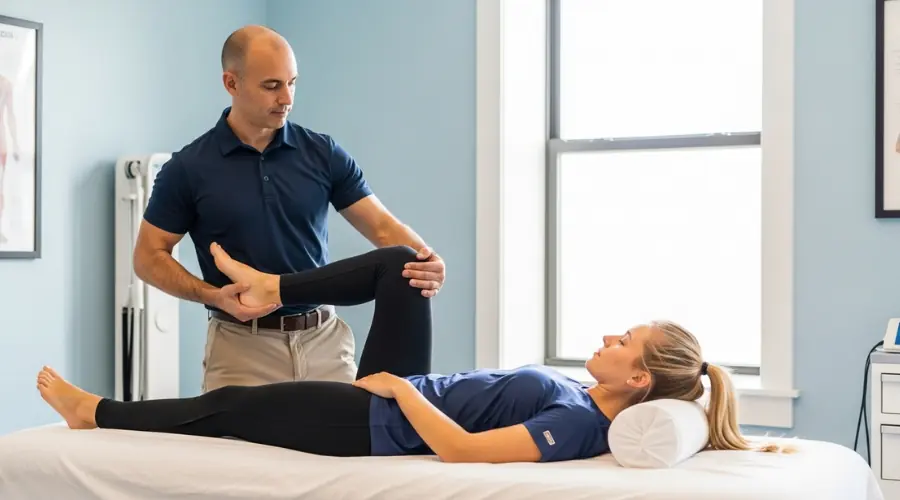
If you think Sports Massage is reserved only for Olympic runners or professional footballers, you are not alone—but you are mistaken.
In today’s modern world, we are all “athletes” in some way. Whether you are running a marathon, chasing after your young child, or sitting in an office chair for eight hours a day (what we call the “Occupational Athlete”), your body is under pressure. Muscles shorten, backs get stiff, and chronic aches settle in.
At our clinic, we believe that clinical sports massage is one of the most effective tools for maintaining a healthy, pain-free body. It isn’t just a massage for relaxation; it is a targeted, outcome-oriented therapy designed to fix problems and restore movement ability.
This guide explains exactly what sports massage is, how it differs from regular Spa massages, and why it might be the missing link in your wellness routine.
What Exactly is Clinical Sports Massage and What is it Used For?
At its core, sports massage is the systematic manipulation of the body’s soft tissues, including muscles, tendons, ligaments, and fascia (connective tissue).
Unlike a regular relaxation massage you might receive at a spa, clinical sports massage is remedial (therapeutic and corrective). This means its focus is on a specific result. When you visit a clinic for a sports massage, the goal isn’t just to make you drowsy (although relaxation is a great bonus); the main goal is to correct mechanical issues in the body, reduce pain, and restore range of motion.
The “Occupational Athlete”
You don’t need a gold medal to benefit from this therapy. The human body makes little distinction between the stress caused by running in a race and the stress caused by working behind a desk.
- The Runner: Applies pressure to the legs through repetitive impact.
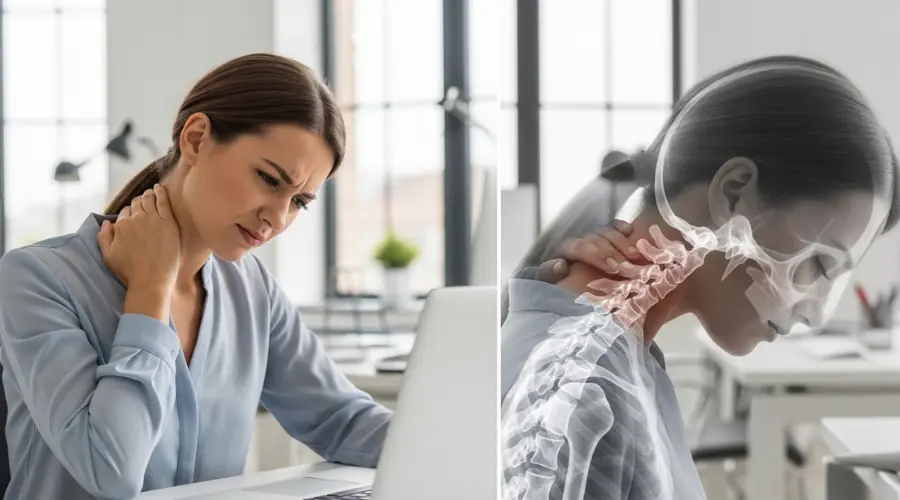
- The Office Worker: Applies pressure to the neck and shoulders through static posture (like hunching over a monitor or “Tech Neck”).
Both lead to a similar result: reduced circulation, tissue stiffness, and chronic pain. Sports massage treats the injured tissue, regardless of the cause of the problem.
The Difference in the Clinical Approach
In a clinical setting, sports massage is not a repetitive routine, but involves the following steps:
- Assessment: Checking your range of motion and body posture.
- Treatment: Using specific techniques to fix dysfunction.
- Re-evaluation: Checking to see if the problem has improved.
The Most Important Benefits of Sports Massage for the Body; Beyond Relaxation
Why should you book a session? This goes far beyond just “feeling good.” Based on physiological science and clinical experiences, here are the main benefits for the general public:
1. Increased Flexibility and Range of Motion
Body stiffness is often caused by the adhesion and thickening of fascia (the web-like network covering the muscles). Sports massage, by creating heat and friction, creates a reaction called Thixotropy. This reaction essentially transforms fascia from a gel-like, stiff state to a fluid, liquid state, allowing muscles to slide smoothly over each other. This helps you move freely, whether you are throwing a ball or reaching for an item from a high shelf.
2. Pain Reduction and Management
Chronic pain often stems from a “pain-spasm-pain” cycle. An injury causes pain, muscles spasm (cramp) to protect the area, this spasm restricts blood flow, and causes more pain. Sports massage interrupts this cycle.
Additionally, pressure on the skin stimulates large nerve fibers that travel faster than pain signals. According to the Gate Control Theory of pain, this stimulation effectively “closes the gate” to pain signals reaching the brain, providing immediate relief.
3. Faster Recovery (Reducing the “Hangover” after Exercise)
Have you ever felt sore two days after heavy exercise or long hours of gardening? This condition is called Delayed Onset Muscle Soreness (DOMS). Although massage doesn’t magically “drain” lactic acid (since lactic acid is naturally cleared within an hour after exercise), it dramatically improves blood circulation.
By pumping fresh, oxygenated blood into tissues and stimulating lymphatic drainage (the body’s waste disposal system), massage helps repair muscle micro-trauma faster.
4. Injury Prevention (Pre-habilitation)
Think of sports massage like an oil change for your car. You don’t wait for the engine to smoke before adding oil; you do it to prevent a breakdown. A skilled therapist can identify and fix small “knots” or imbalances before they turn into full-blown tears or strains.
5. Anxiety and Stress Reduction
This effect isn’t just physical. Clinical trials have shown that therapeutic touch reduces cortisol (stress hormone) levels and increases serotonin and dopamine. This shifts your body from a “Fight or Flight” state to a “Rest and Digest” state, leading to better sleep and a calmer mind.
Getting to Know Specialized Techniques in Sports Massage
When you are on the massage table, your therapist uses a “toolbox” of different techniques. Here is a simple explanation of what they do and why:
Effleurage (Warming Up)
- What is it: Long, gliding strokes with the palm or forearm.
- Why we do it: This warms up muscle tissues, spreads oil, and allows the therapist to “scan” your body to find knots or tightness. This movement is usually rhythmic and soothing.
Petrissage (Kneading)
- What is it: Kneading, rolling, and squeezing the muscle (similar to kneading bread dough).
- Why we do it: This lifts the muscle away from the bone. It is very effective for “milking” stale blood and waste products out of the tissue and introducing fresh blood. It also helps separate muscle fibers that are stuck together.
Tapotement (Stimulating)
- What is it: Rhythmic striking, cupping the hand, or hacking with the edge of the hand.
- Why we do it: This technique is often used before a sports event or workout. It wakes up the nervous system and stimulates blood flow without relaxing the muscle too much. This movement is energizing, not sleep-inducing.
Frictions (Deep Rubbing)
- What is it: Deep, concentrated pressure (often with the thumb or elbow) applied perpendicularly to the muscle fibers.
- Why we do it: This technique is used for specific, stubborn problems like tendonitis or old scar tissue. It mechanically breaks down irregular collagen fibers so they can heal in a correct, functional alignment.
The Difference Between Sports Massage and Deep Tissue Massage; Which is Better?
This is the most common question we hear in the clinic. Although the two overlap, their intent and goal are different.
Deep Tissue Massage
- Goal: General relaxation and tension release.
- Technique: Slow, deep pressure.
- Client Role: Passive. You lie down, “zone out,” and let the therapist work.
- Suitable for: General stress reduction, full-body stiffness, and mental relaxation.
Sports Massage
- Goal: Performance, efficiency, and recovery.
- Technique: Variable speed (fast or slow depending on need), focused on the problem area (e.g., “only the right shoulder”).
- Client Role: Active. The therapist might ask you during treatment to “push against my hand” or “move your leg.”
- Suitable for: Treating injuries (like tennis elbow), preparing for an event, or fixing specific pain caused by work or sports.
Simple Rule: If you want to fix a specific movement limitation or pain, choose Sports Massage. If you want to throw away stress and feel loose in your whole body, choose Deep Tissue Massage.
The Best Time for Sports Massage; Recovery or Competition Preparation?
Timing is everything in clinical massage. The type of treatment changes based on your schedule.
1. Maintenance (Routine)
Time: Every 2 to 4 weeks.
This is the most common type for the general public. Its focus is on correcting posture and tissue health. This prevents the gradual accumulation of stress from daily life (sitting, driving, lifting objects).
2. Pre-Event (Preparation)
Time: 15 minutes to 48 hours before a major activity (race, heavy hiking, or even moving house).
Goal: Waking up the muscles.
Important Note: We do not perform deep tissue massage right before an event. Deep work can make muscles “too loose” and cause soreness or fatigue that disrupts performance. Pre-event massage is light, fast, and stimulating.
3. Post-Event (Recovery)
Time: 30 minutes to 72 hours after the activity.
Goal: Recovery and restoration.
The Window:
- Immediately after activity: We use very light pressure to calm the nervous system and reduce swelling. Muscles have microscopic tears, so deep pressure is avoided.
- 24 to 48 hours later: This is the “Golden Time” for deeper work to address tightness that has settled in the body.
Potential Side Effects and Contraindications of Sports Massage You Should Know
Sports massage is a powerful health intervention and, like any exercise, has physical effects.
“Good” Soreness
It is completely normal to feel a little sore for 24 to 48 hours after a session. This state is often called a “Healing Crisis.” This feeling should be like the soreness after a good workout session at the gym, not sharp pain from an injury. This means the tissues are remodeling and repairing.
Debunking Myths
- “No Pain, No Gain” (More pain, more effect): This is false. If you are clenching your teeth or holding your breath, the pressure is too deep. Pain causes muscles to tighten to protect themselves, which neutralizes the treatment goal. The sensation of massage should be “sweet pain” (about 7 out of 10), not agony.
- “Releasing Toxins”: You might hear that massage releases toxins that will poison you if you don’t drink water. This is largely a myth. However, drinking water is vital because massage moves body fluids and increases metabolism. Staying hydrated prevents “post-massage headache” which is caused by dehydration (not toxins).
Who Should Avoid It? (Contraindications)
Although safe for most people, avoid massage in the following cases:
- You have a fever or acute infection (massage spreads the virus faster).
- Deep Vein Thrombosis (DVT) or blood clot.
- Acute injury (less than 48 hours old) that is swollen, hot, and red.
Guide to Choosing the Best Specialist and Sports Massage Clinic
Since sports massage is a clinical therapy, the therapist’s skill is very important. When health is involved, trust is essential.
Checklist for Finding Professionals:
- Valid Credentials: Look for specific certificates in “Sports Massage” or “Massage Therapy,” not just general relaxation massage.
- Initial Interview: A good therapist always asks about your medical history and current injuries before you get on the table.
- Scope of Practice: A professional knows what they cannot treat. If they suspect a tear or fracture, instead of trying to “rub it out,” they will refer you to a doctor.
Safety Note: Sports massage is a complement to medical care, not a substitute for it. Always consult a doctor for serious injuries.
Conclusion: Why Clinical Massage is Essential for Everyone?
You only have one body, and this body must accompany you through a lifetime of movement. Whether you are struggling with stiffness from office life or recovering from a weekend run, clinical sports massage is a method supported by science that improves your quality of life.
This is not for pampering yourself; it is for body maintenance. By addressing tensions early, improving blood circulation, and prioritizing recovery, you guarantee that you can do the things you love—pain-free.
Ready to Move Better?
Don’t wait until a small ache turns into a big injury. Experience the difference of a clinical approach.
Book your Clinical Massage Therapy Session Today.
Contact the clinic to reserve an appointment with one of our certified specialists.