

Have you ever finished a grueling workout only to find that two days later, you can barely walk down the stairs? We’ve all been there. Recovery is the “silent partner” of fitness; without it, your muscles can’t grow, and your performance plateaus.
While ice baths and massage guns have long been the go-to methods, a new technology is taking over the locker rooms of pro athletes and home gyms alike: red light therapy for recovery. But is this glowing red light actually doing something, or is it just expensive mood lighting?
In this comprehensive guide, we will dive into the science of how light can heal your muscles, the best time to use it, and how to get results that actually show up on the scale and the stopwatch.
Understanding the Science Behind Red Light Therapy for Recovery
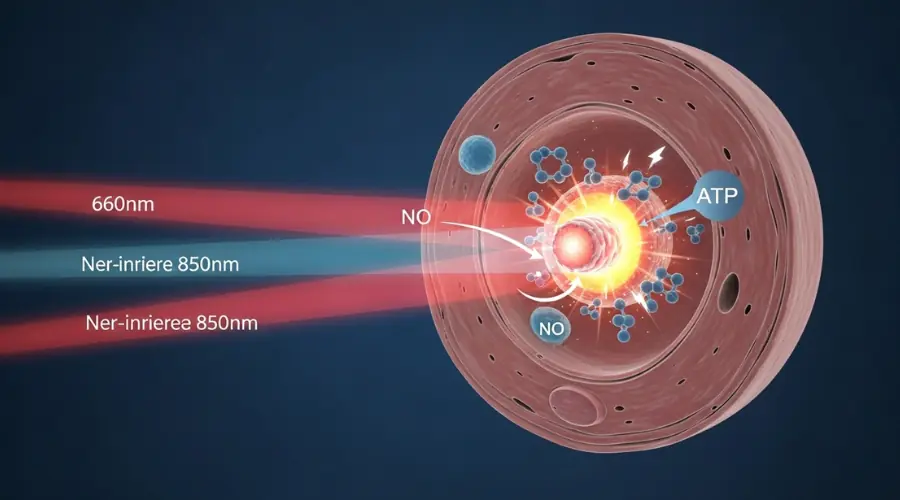
Red light therapy, scientifically known as Photobiomodulation (PBM), is a non-invasive treatment that uses specific wavelengths of light—typically Red (630–670 nm) and Near-Infrared (810–850 nm)—to interact with your cells.
Unlike a tanning bed, which uses harmful UV rays, or a sauna, which relies on heat, red light therapy is “cold.” It doesn’t burn your skin. Instead, these light photons penetrate deep through your skin layers to reach the muscle tissue and even your bones.
How It Works: The “Cellular Powerhouse”
The magic happens inside your mitochondria, often called the “powerhouses” of your cells.
- Absorption: When you shine red light on your muscles, an enzyme called Cytochrome C Oxidase absorbs the light.
- Energy Boost: This absorption kicks out a “blocker” called nitric oxide, allowing the cell to process oxygen more efficiently.
- ATP Production: This leads to a massive surge in ATP (Adenosine Triphosphate), which is the pure energy your cells use to repair damage and function.
Think of it like this: your tired muscle cells are like a phone with a dying battery. Red light therapy is the “fast charger” that gets them back to 100% so they can start the repair work immediately.
Key Benefits of Using Red Light for Muscle Recovery
The benefits of using red light for muscle recovery aren’t just based on anecdotes; they are backed by hundreds of clinical studies. Here is what the science says:
1. Say Goodbye to “Leg Day” Pain (DOMS)
Delayed Onset Muscle Soreness (DOMS) is the pain that peaks 24 to 72 hours after exercise. Research shows that red light therapy significantly lowers pain scores. By reducing inflammation early, you shorten the “soreness window,” allowing you to get back to the gym sooner.
2. Reduced Muscle Damage
When you work out, your muscle fibers get tiny tears. Doctors measure this damage by looking for an enzyme called Creatine Kinase (CK) in your blood. Studies consistently show that athletes using red light therapy have much lower levels of CK, meaning their muscles took less of a beating during the workout.
3. Increased Strength and Size
One of the most famous studies involved identical twins. One twin used red light therapy after workouts for 12 weeks, while the other didn’t. The twin using the light saw a 20% increase in muscle mass, compared to only 5% in the other twin. This is because red light helps activate “satellite cells”—the stem cells responsible for building new muscle fiber.
Timing Your Sessions: Should You Use Red Light Therapy After Workout?
Should you use the light before you lift or after you run? The answer depends on your goal.
Pre-Workout: The “Muscle Primer”
Using red light before a workout (about 15–30 minutes prior) acts as a protective shield. It prepares your mitochondria for the upcoming stress, which can:
- Increase the number of reps you can perform.
- Delay the “burn” (fatigue) during your set.
- Protect muscles from oxidative stress before it even starts.
Post-Workout: Why Athletes Choose Red Light Therapy After Workout
Using red light therapy after workout sessions is the most popular method. The goal here is pure repair. Applying light within 0 to 4 hours after your session helps:
- Flush out lactic acid faster.
- Reduce acute swelling.
- Speed up the protein synthesis needed for growth.
The Pro Tip: If you are a serious athlete, try a “split dose.” Use 5 minutes before your workout to prime the muscles and 15 minutes after to kickstart recovery.
How to Do It Right: The “Goldilocks” Dose
In the world of red light, “more” is not always “better.” This is known as the Biphasic Dose Response. If you use too little light, you get no effect. If you use way too much, you can actually cancel out the benefits.
The Standard Protocol for Muscles:
- Distance: Stay 6 to 12 inches away from the device. This ensures the light is intense enough to penetrate deep into the muscle.
- Duration: 10 to 20 minutes per area.
- Skin Contact: Light cannot penetrate through clothing effectively. For the best results, the light must hit bare skin.
- Frequency: Consistency is king. Aim for 3 to 5 times per week.
| Goal | Wavelength | Time | Frequency |
|---|---|---|---|
| Surface/Skin Recovery | 660nm (Red) | 5-10 mins | Daily |
| Deep Muscle Repair | 850nm (Near-Infrared) | 10-20 mins | 3-5x week |
| Joint Pain | 850nm (Near-Infrared) | 15-20 mins | Daily |
Is Red Light Therapy Safe for Daily Use?
Red light therapy is incredibly safe and non-invasive. It is “UV-free,” meaning it won’t give you a tan or increase the risk of skin cancer. However, keep these three tips in mind:
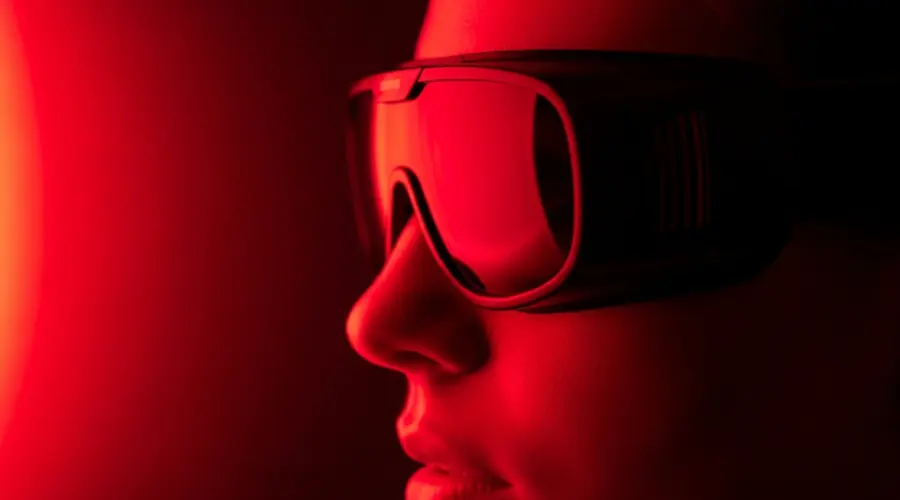
- Protect Your Eyes: The LEDs are very bright. Even though the light is healing, looking directly into the bulbs can cause strain. Always wear the provided blackout goggles.
- Check Your Meds: Some medications (like certain antibiotics or acne creams) make your skin “photosensitive.” If you’re on medication, check with your doctor first.
- Bare Skin: Don’t waste your time shining the light over your leggings or gym shirt; the fabric will reflect the photons away.
The Verdict: Is Red Light Therapy for Recovery Worth It?
If you are someone who takes their fitness seriously—whether you are a marathon runner, a bodybuilder, or a weekend warrior—red light therapy for recovery is one of the few tools that actually delivers on its promises.
It doesn’t just “mask” the pain like a painkiller; it provides your cells with the actual energy (ATP) they need to fix the problem at the source. By reducing recovery time and boosting muscle growth, it acts as a “force multiplier” for all the hard work you put in at the gym.
Ready to get started?
When choosing a device, look for one that offers both Red (660nm) and Near-Infrared (850nm) wavelengths to ensure you are treating both your skin and your deep muscle tissue.