

Prenatal chiropractic care is a natural healthcare system that is non-surgical and drug-free, focusing on the evaluation and correction of misalignments in the spine, joints, and peripheral nerves. The goal of this method is to restore optimal function of the nervous and musculoskeletal systems [brief]. During pregnancy, chiropractic care is recognized as a safe and effective way to manage common musculoskeletal symptoms.
This type of treatment is specifically designed for pregnant women to accommodate the physiological and mechanical changes their bodies undergo. The importance of this care is highlighted by the fact that approximately 50% of pregnant women experience back pain during their pregnancy [brief]. Specialist chiropractors address the structural roots of these discomforts, striving to create balance and stability in the body rather than merely reducing pain.
The Impact of Relaxin Hormone and Shifting Center of Gravity on the Spine
Pregnancy involves extensive hormonal and physical changes that allow the body to house the baby and prepare for childbirth. Two primary factors affect the mother’s musculoskeletal health:
The Role of the Relaxin Hormone: One of the most critical factors is the secretion of the hormone Relaxin, produced by the ovaries and the placenta. Relaxin’s job is to loosen and increase the flexibility of ligaments, joints, and muscles, allowing the pelvis to open for the delivery process. However, the relaxing effect of Relaxin increases the instability of the spinal and pelvic joints, making the mother susceptible to structural misalignments and joint pain; a situation that justifies the need for chiropractic structural support.
Postural Changes and Center of Gravity: In addition to hormonal changes, the increased weight of the baby and uterus (typically between 25 to 35 pounds) shifts the mother’s center of gravity forward [brief]. This causes an increase in the natural inward curve of the lower back (lumbar hyperlordosis). To compensate for this misalignment, the mother’s body initiates other compensatory movements that can lead to increased neck curvature, chest compression, and ultimately, abnormal stress and pain along the spine. Chiropractic care can help the mother maintain a more balanced posture by accurately adjusting the spine, preventing chronic injuries.
The Treatment Outlook: From Back Pain Relief to Optimizing the Birthing Path
The prenatal chiropractic approach extends beyond managing back pain, aiming to optimize the birthing experience. By ensuring proper pelvic alignment, chiropractors help create the maximum possible space within the uterus for the baby’s growth. This preventive approach increases the baby’s chances of positioning in the best possible delivery position (head-down) and can ultimately provide an easier and safer delivery for both mother and baby.
Safety and Credibility in Pregnancy Chiropractic

Since healthcare during pregnancy is considered a vital subject, producing content that relies on expertise, authority, and trust (E-E-A-T), is of paramount importance. This section ensures that chiropractic care is delivered with the highest safety standards.
Is Chiropractic Safe in All Trimesters? Clinical Evidence
Chiropractic care is considered safe throughout all trimesters of pregnancy, including the first and third trimesters, with no known contraindications for a healthy pregnancy. Systematic reviews and case studies have shown that chiropractic evaluation and treatment “may be considered safe and effective” for common musculoskeletal symptoms in pregnancy.
Based on research, reported side effects from chiropractic treatment during pregnancy have been extremely rare, transient, and minor. For instance, one case series showed that 16 out of 17 patients experienced significant clinical improvement, and no adverse side effects were reported.
Choosing a Specialist: The Importance of Webster Technique Certification
To ensure the highest level of care, expectant mothers should seek out chiropractors who have completed advanced specialized training. Two key indicators of specialization include:
- ICPA Membership: Membership in the International Chiropractic Pediatric Association (ICPA) indicates the practitioner’s interest and commitment to prenatal and pediatric care.
- Webster Certified: This certification demonstrates completion of specialized training in sacral analysis (the triangular bone at the base of the spine) and pelvic mechanics in pregnant women. This deep knowledge allows the specialist to tailor treatments to the altered physiology of pregnancy and avoid applying unnecessary pressure to the abdomen.
Gentle and Safe Adjustments: Modifying Techniques for the Expectant Mother
Prenatal chiropractors use modified methods to ensure the safety of both mother and fetus. Specialists utilize specialized, adjustable chiropractic tables that provide adequate space for the mother’s growing belly, ensuring no pressure is exerted on the abdomen, uterus, or fetus. Furthermore, due to the effect of Relaxin on ligament laxity, chiropractic adjustments during pregnancy are gentler and more specific, avoiding high-velocity or rotational techniques.
Contraindications and the Necessity of Consulting Your Physician (Safety First)
To maintain trust and transparency, awareness of treatment limitations is essential.
Medical Consultation (The Trust Principle): The most important safety principle is that mothers should always consult with their primary healthcare provider (such as a physician or midwife) before initiating chiropractic treatment. This team collaboration ensures that chiropractic care functions as part of a comprehensive and safe plan for both mother and baby. Research suggests that a multimodal approach (combining musculoskeletal management and obstetric care) can offer greater benefits in reducing pelvic and low back pain.
Contraindications: In specific high-risk conditions, chiropractic care is not recommended [brief]. These conditions include vaginal bleeding, Placenta Previa, moderate to severe toxemia/eclampsia, ectopic pregnancy, or risk of preterm labor [brief]. A specialist chiropractor is well aware of these contraindications and will refer the mother to a physician if risks are present.
10 Key Benefits of Chiropractic Care for Mothers: Relieving Common Pregnancy Pains
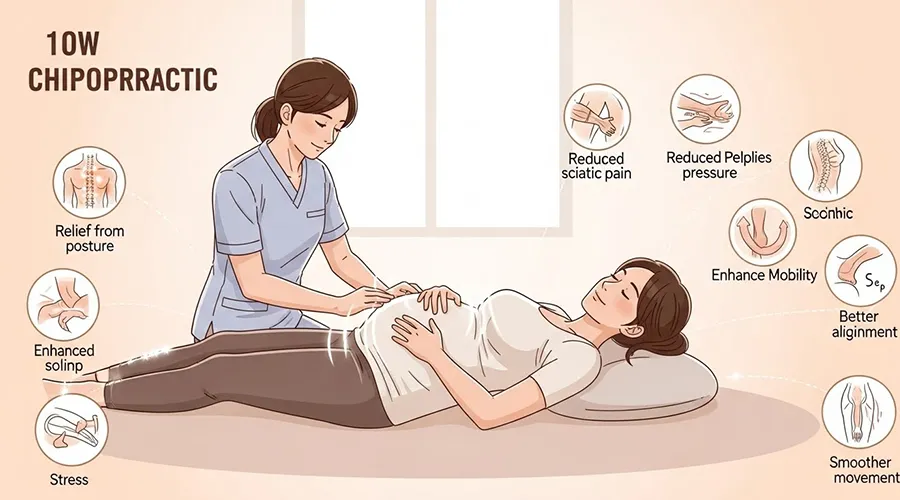
Prenatal chiropractic care, by reducing nervous tension and misalignments, brings a wide range of benefits for mothers.
Relief from Low Back Pain, Pelvic Pain, and PGP: 75% Satisfaction Rate
Low back pain is the most common complaint during pregnancy [brief]. Chiropractic adjustments help reduce pain or injury caused by spinal instability and the loosening of joints and ligaments [brief]. Evidence shows that 75% of pregnant women who received chiropractic care reported pain reduction [brief, 24]. Furthermore, studies indicate that clinically significant relief is achieved on average 4.5 days after the initial treatment, demonstrating the speed of this method.
Effective Management of Sciatica and Joint Pain
With increased weight and pressure on the lumbar and pelvic joints, the sciatic nerve can become compressed, causing severe pain down the leg. Chiropractic care relieves pressure on the nerves by realigning the pelvis and spine, alleviating sciatica, joint, and neck pain.
Reduction of Morning Sickness and Improved Digestion
One lesser-known benefit is the ability of chiropractic care to help control morning sickness symptoms and improve digestive issues like constipation. The mechanism of this effect is neurological rather than purely mechanical. Proper spinal alignment contributes to improved nervous system function. A balanced nervous system positively influences hormonal balance and the regulation of the digestive system, which can help reduce nausea and vomiting.
Posture Correction to Prevent Long-Term Injuries
With the change in the center of gravity and the increase in the arch of the back (hyperlordosis), the chiropractor can use adjustments and provide exercises to help the mother maintain a straight and balanced posture [brief]. This not only reduces current pain but also prevents long-term spinal injuries that might persist after childbirth
Better Sleep and Reduced Stress and Anxiety During Pregnancy
The reduction of musculoskeletal pain and discomfort directly contributes to improving the quality of sleep for mothers [brief]. Furthermore, by restoring proper alignment and reducing nerve compression in the spine, chiropractic care allows the nervous system to function more freely, which can help reduce anxiety, depression, and stress, enhancing emotional well-being during pregnancy
Optimizing Delivery: Pelvic Balance, Webster Technique, and Reduced Labor Time
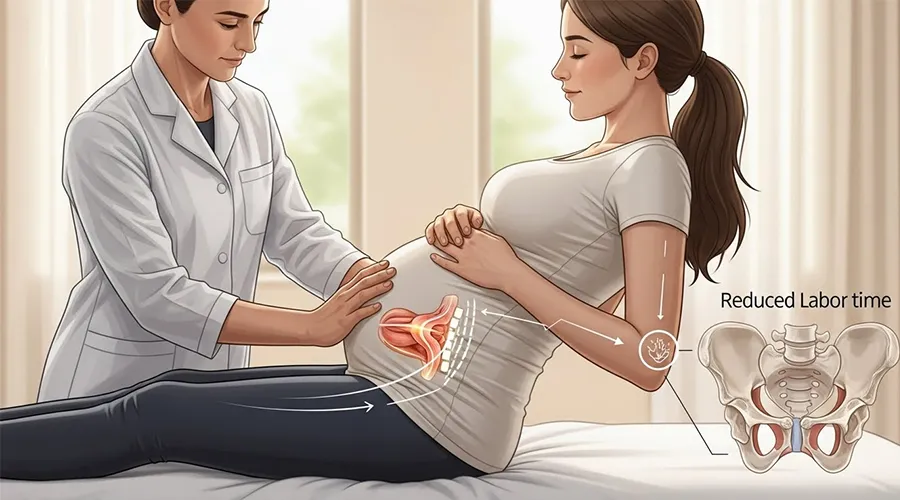
Chiropractic care plays a critical role in optimizing the birth path, particularly through its effect on pelvic alignment.
Creating Adequate Space in the Uterus: Addressing Intrauterine Constraint
The mother’s pelvis acts as the baby’s “cradle,” and its alignment determines whether the baby has enough space for growth and movement. Pelvic or sacral misalignment can restrict the space available in the uterus for the baby, a condition known as Intrauterine Constraint. This condition occurs when an imbalance in the pelvis or tight, twisted uterine ligaments restricts the baby’s movement, preventing them from positioning in the best delivery posture.
The Webster Technique: How Pelvic Balance Improves Fetal Positioning
The Webster Technique is a very specific chiropractic adjustment designed to reduce the effects of sacroiliac joint dysfunction and restore balance to the pregnant woman’s pelvis.
Method and Goal: The Webster Technique involves a gentle adjustment of the sacrum bone and the release of tension in the soft tissues and supporting ligaments of the uterus (like the round ligament). The primary goal of this technique is not to physically turn the baby, but to balance the pelvis and reduce uterine tensions. By creating a symmetrical and spacious environment, the baby is allowed to naturally find the best position (vertex/head-down) for birth.
82% Success Rate: Assisting Breech Babies with Webster
Pelvic misalignment may prevent the baby from positioning head-down. In situations where the baby is in a breech position (feet or buttocks down), the Webster Technique is a non-invasive option with a high success rate.
Key Statistics: Studies show that the Webster Technique has a significant success rate of 82% in addressing the musculoskeletal causes of intrauterine constraint, allowing the breech baby to turn to the vertex position. This optimal fetal positioning reduces the risk of dystocia (difficult labor) and can potentially prevent the need for interventions like C-sections.
25% to 31% Reduction in Labor Time: Clinical Evidence
Pregnant women who regularly receive chiropractic care often experience an easier and smoother labor process
Reduced Labor Time: Clinical evidence indicates that chiropractic care can dramatically reduce labor time. Reports suggest an average reduction of 25% in labor time for first-time mothers and a 31% reduction for mothers who have previously given birth. This reduction occurs because a balanced pelvis optimizes the birth canal for the baby’s passage, lowering the likelihood of stalled labor, making the pushing phase shorter and more effective.
Treatment Timing: Chiropractic Care from the First Trimester to Postpartum

Chiropractic care is a continuous support approach recommended throughout all stages of motherhood.
Starting Care: Why the First Trimester is the Best Time
Generally, there is no “wrong” time to start chiropractic care during pregnancy. Specialists recommend that starting care in the first trimester can be beneficial for managing early symptoms like nausea and adjusting to hormonal changes. During this period, monthly visits are usually recommended. Starting early allows the body to adapt to subsequent changes with greater stability.
How to Increase Treatment Frequency in the Second and Third Trimesters
As mothers enter the second and third trimesters, due to increased weight and the severity of the center of gravity shift, the frequency of visits usually increases to maintain proper alignment. In the third trimester, when back and pelvic pain peaks , increasing the number of sessions is vital for maintaining pelvic balance. Maintaining pelvic alignment at this stage not only reduces pain but also prepares the mother for an easier and shorter delivery, lowering the risk of birth interventions.
Restoring Balance Postpartum: Reducing Breastfeeding Pain and Faster Recovery
The postpartum period is crucial for the body’s recovery. Childbirth, whether vaginal or C-section, can cause significant misalignments in the pelvis and spine [brief]. Postpartum chiropractic care helps the mother’s body quickly return to its pre-pregnancy balance and improves the recovery process
Additionally, new mothers often experience new pains in the middle back and neck due to prolonged positions during breastfeeding, carrying the baby, or pushing a stroller [brief, 41]. Chiropractic adjustments help manage these postural pains, allowing mothers to care for their baby without discomfort
Choosing the Best Specialist and Conclusion (Call to Action)
Guide to Finding a Webster Certified Chiropractor (Using the ICPA)
Choosing a chiropractor specializing in prenatal care is critical to ensuring the safety and effectiveness of the treatment. Mothers should seek out specialists who have:
Specialized Experience and Expertise: Ensure the specialist has sufficient history and experience working with pregnant clients and is familiar with the physiological changes of pregnancy. It is essential that the specialist is an ICPA member and holds the Webster Technique certification, as this credential indicates the highest level of expertise in pregnancy pelvic alignment.
Holistic Approach: A good prenatal specialist goes beyond spinal adjustments and provides recommendations on nutrition, safe exercises, and lifestyle changes that help maintain overall health.
The most authoritative way to find Webster Certified specialists is by using the directory of the International Chiropractic Pediatric Association (ICPA).
Final Summary and Conclusion: A Healthy Pregnancy, An Easier Birth
Prenatal chiropractic care is an evidence-based treatment method provided with the aim of supporting the mother’s body changes and optimizing the intrauterine environment for the baby.
These care methods not only effectively reduce back and pelvic pain (with a 75% success rate) but also, by providing pelvic balance through techniques like Webster, significantly increase the chances of the baby positioning ideally (82% success in breech) and, on average, reduce labor time by 25% to 31% [brief].
The final emphasis is on the principle of Trust and teamwork: Chiropractic care is a collaborative treatment. It should be utilized in conjunction with the mother’s healthcare team (physician and midwife) to ensure the safest and most comfortable path for both mother and baby. By choosing a Webster Certified specialist, mothers can prepare for an efficient and natural delivery with peace of mind and less pain.